Before You Even Ring the Doorbell: What a Host's Plants Tell You About the Stay Ahead
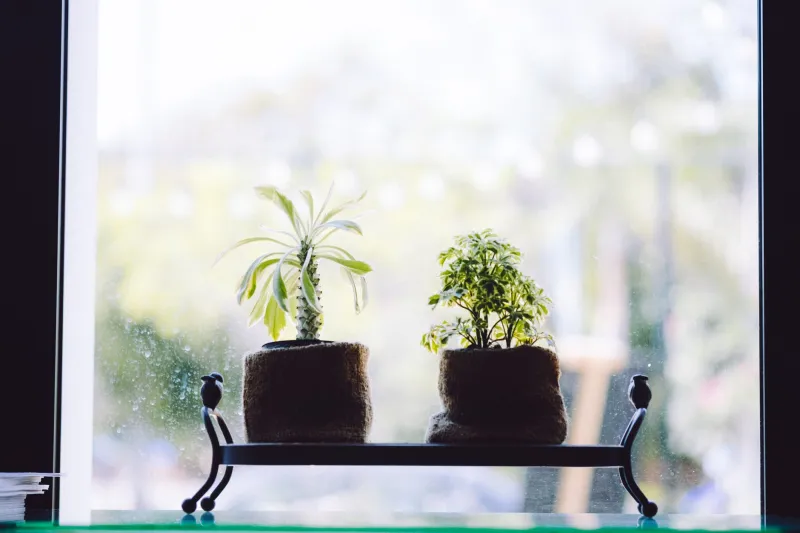
Most travelers scroll through listing photos looking for the obvious stuff — is the bed big enough, does the bathroom look clean, is there decent natural light? But there's a detail hiding in plain sight that veteran homestay guests have started paying close attention to: the plants.
Not in a superstitious way. More like the way you'd notice whether someone's car is meticulously maintained or running on fumes. The living things a person chooses to keep — and how they care for them — offer a surprisingly honest window into their habits, their attention to detail, and ultimately, their instincts as a host.
It sounds a little out there, maybe. But stick with it.
The Psychology Behind the Potting Soil
Plant care is one of those low-stakes, high-consistency activities that reveals a lot about a person's daily rhythms. There's no external pressure to water your pothos. Nobody grades you on whether your basil makes it through August. It's purely a matter of noticing, remembering, and following through — which, when you think about it, is basically the job description of a good homestay host.
Hosts who keep thriving plants have built small, reliable routines into their lives. They're the type who notice when the soap dispenser is running low before it runs out. Who leave a fresh towel folded on the bed without being asked. Who remember you mentioned a food allergy in your booking message and actually do something about it.
None of that is guaranteed, of course. But the correlation is worth thinking about.
What Different Plants (and Their Condition) Might Signal
Let's break this down a little, because not all plants send the same message.
A kitchen full of fresh herbs — rosemary, mint, Thai basil, a little pot of chives on the windowsill — almost always signals a host who genuinely loves cooking and probably wants you to feel at home in their kitchen. These aren't decorative plants. They're working plants. They get used, replenished, and tended because someone in that household is actively cooking with intention. If you're a guest who loves food, this is a green flag (pun fully intended).
Orchids, especially multiple ones in bloom, tend to show up in homes where someone has real patience and a particular kind of quiet pride in their space. Orchids are notoriously temperamental — too much water and they rot, too little and they collapse. Getting one to rebloom takes timing and attention. Hosts who've figured that out have probably also figured out the fine art of making guests feel welcome without hovering.
A wall of lush, trailing pothos or philodendrons suggests an easygoing, low-drama household. These plants thrive on neglect-adjacent care — they're forgiving, adaptable, and hard to kill. Hosts who gravitate toward them tend to be flexible and unbothered by the small chaos that comes with having guests in the house. Don't expect rigid check-in windows or a laminated rule sheet on the fridge.
Succulents that are actually thriving (as opposed to the sad, stretched-out ones that clearly haven't seen sunlight since the Obama administration) signal someone who knows their environment well. They've matched the plant to the light, the pot to the drainage, the watering schedule to the season. That kind of spatial awareness usually translates to a thoughtfully arranged guest room — good lighting, outlets where you need them, a mirror that's actually at eye level.
Dead or clearly neglected plants still sitting in their pots are worth noting, though not necessarily a dealbreaker. Some people are just optimists about plant revival. But if the listing photos show multiple wilting specimens and dried-out soil, it might hint at a host who's stretched thin, or one whose attention to upkeep has slipped in general.
The Garden Out Back (or the Fire Escape Jungle)
Outdoor spaces tell a slightly different story. A host with a carefully tended backyard garden — raised beds, labeled rows, maybe a compost bin — is almost certainly someone who plans ahead and takes pride in the details of daily life. That kind of intentionality tends to show up everywhere: in the quality of the coffee they leave out, in the local restaurant list they've actually updated recently, in the way the guest bathroom is stocked.
Urban hosts in apartments sometimes create their own version of this on a balcony or fire escape — a few tomato plants in grow bags, a string of fairy lights woven through a trellis, a pot of lavender by the door. It takes creativity and commitment to garden without a yard, and guests who stay with those hosts often describe the experience as unexpectedly cozy and personal. There's something about someone who makes a garden out of a fire escape that says: I make the most of what I have, and I'll do the same for you.
A Note for Hosts: Your Plants Are Part of Your First Impression
If you're hosting through a platform like this one, it's worth thinking about what your greenery is communicating before guests arrive — or even before they book. The photos you post of your space include whatever's growing in it, and potential guests are picking up on more than you might realize.
This isn't a call to rush out and buy a bunch of plants you'll never water. Fake it till you make it doesn't really work here — a shelf of plastic succulents reads as exactly what it is. But if you already have plants, making sure they're healthy and well-placed in your listing photos sends a quiet, positive signal that your space is genuinely cared for.
And if you've been meaning to start a little herb garden on your kitchen windowsill, honestly, now's the time. It's practical, it smells amazing, and it tells every future guest something true and good about who you are as a host.
The Bigger Picture
Travelers who stay in homestays — rather than hotels or big rental properties — are already looking for something more personal. They want to feel the texture of someone's actual life, not a sanitized version of it. Plants are part of that texture. They're living proof that someone tends to this space with care, that it's not just a room for rent but a home that someone shows up for, day after day.
Next time you're browsing listings and trying to decide between two similar-looking options, scroll back through the photos and look at the plants. It might just be the most honest thing in the frame.