When a Host Hands You a Recipe Card: The Deeper Meaning Behind Shared Family Dishes
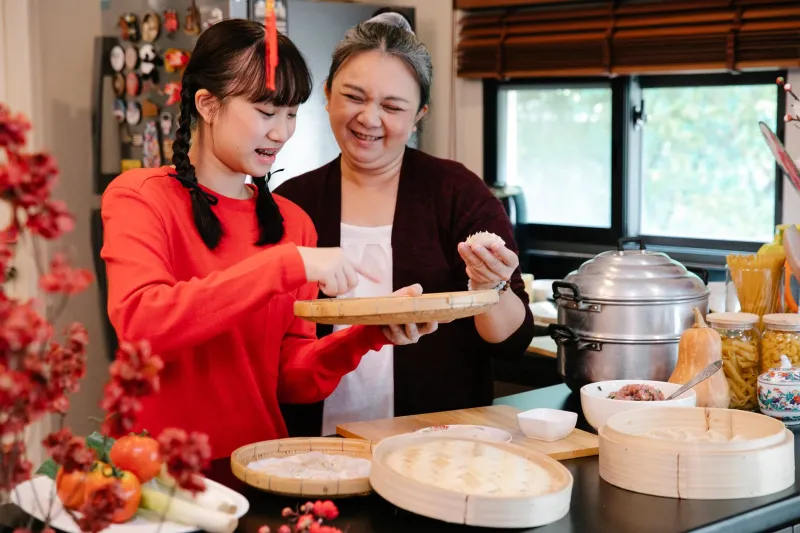
You didn't expect it. Maybe you complimented the stew at dinner, or asked an offhand question about the spice blend that hit different from anything you'd tasted before. And then your host did something that stopped you mid-sentence — they offered to show you how to make it.
Not a restaurant recommendation. Not a link to a food blog. An actual, live, standing-in-the-kitchen lesson, complete with family lore and a handwritten card if you were lucky.
This happens more often in homestays than people talk about. And when it does, it tends to become the part of the trip guests remember for years.
Why Food Holds the Stories That Words Can't Quite Carry
Every family has a dish that functions like a time capsule. A grandmother's tamale recipe, a Sunday gravy that nobody's ever written down because it lives in muscle memory, a spice mix that came over in someone's luggage from another country and never got a formal name. These aren't just meals. They're compressed histories.
When a host decides to share one of these with a guest, they're not being generous in the way you'd tip a server. They're being generous in the way you'd introduce someone to your family photo album. There's a vulnerability in it. A kind of trust that doesn't get extended to everyone.
For travelers staying in a real home — not a boutique hotel with a curated "local experience" package — that distinction matters. A lot.
The Kitchen as the Most Honest Room in the House
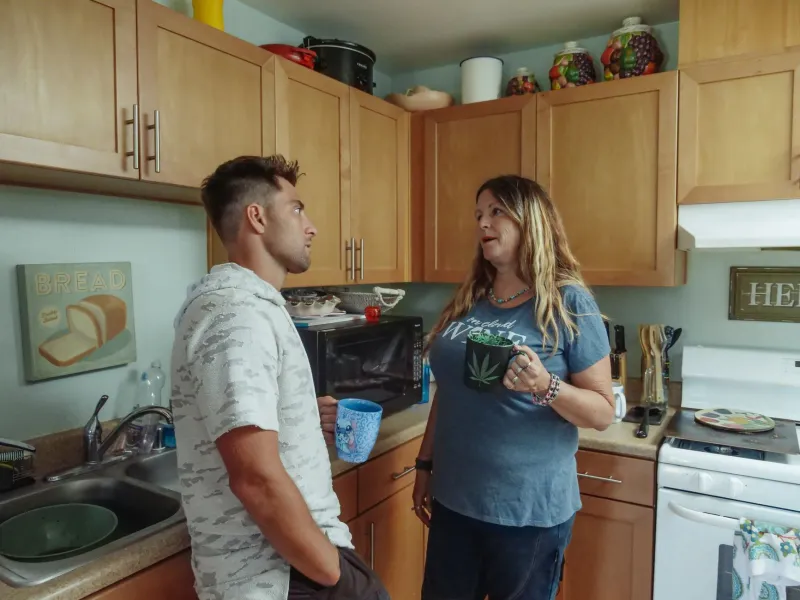
In most homestays, the kitchen is where the real personality of a household lives. It's where routines are most visible, where the radio plays at the actual volume the family prefers, where the magnets on the fridge have been there for fifteen years without anyone questioning them.
Guests who get invited into that space — not just to eat, but to participate — are crossing a threshold. The host isn't performing hospitality anymore. They're just cooking, and they're letting you watch, and eventually letting you stir.
That shift from observer to participant is subtle but significant. You stop being a guest in the formal sense and start being someone who helped make dinner. The meal tastes different when you've had a hand in it. The conversation gets easier. The whole evening takes on a different weight.
What Hosts Are Actually Saying When They Share a Recipe
It would be easy to read the gesture as simple friendliness. And sure, that's part of it. But there's usually more going on.
Hosts who share family recipes are, in most cases, doing something they don't do automatically with every guest who walks through the door. There's a selection process, even if it's intuitive. Something about the guest — their curiosity, their respect for the space, the way they asked about the food — signaled that this was a person worth trusting with something real.
That's meaningful. And guests who understand what's being offered tend to receive it differently than those who just think they're scoring a cool recipe for their Pinterest board.
The recipe is a token of the relationship. The relationship is the actual gift.
When Two Kitchens Collide: The Awkward, Beautiful Mess of Cooking Across Cultures
Not every cross-cultural kitchen session goes smoothly, and that's honestly part of what makes them memorable.
Maybe you've never worked with fresh turmeric root and you stained the cutting board. Maybe your host's definition of "a pinch" is genuinely alarming by any standard measurement. Maybe the dish you thought you understood turns out to have fourteen steps and a specific pot you've never seen before.
These friction points are where real exchange happens. Not the frictionless, everything-is-beautiful version of cultural tourism — the actual version, where two people with different food backgrounds try to make something together and laugh at the gaps in translation.
Guests who lean into that messiness instead of trying to perform competence tend to have the better time. And hosts, in most cases, find those guests far more interesting to cook with.
Taking It Home Without Losing What Made It Special
Here's the tricky part. You get home, you pull out the recipe card, you try to recreate the dish — and it's close, but not quite right. The tomatoes are different. The stove behaves differently. Something about the light in your kitchen is wrong.
This is normal, and it's worth sitting with rather than troubleshooting.
Part of what you're missing isn't an ingredient. It's the context — the host's kitchen, the particular evening, the conversation that happened while the pot was simmering. No recipe card can fully encode that. What it can do is send you back there in memory every time you try.
That's not a flaw in the souvenir. That's the point of it.
At Emon's Corner, the stays that generate the most heartfelt messages from guests almost always involve some version of this moment — a shared meal, a recipe offered, a kitchen that briefly belonged to both the host and the visitor. It doesn't require a formal cooking class or a perfectly plated dish. It just requires a host who trusts you enough to let you in, and a guest who recognizes what that trust actually means.