Your Host Knows Things Google Doesn't: The Real Reason Homestay Guests Travel Smarter
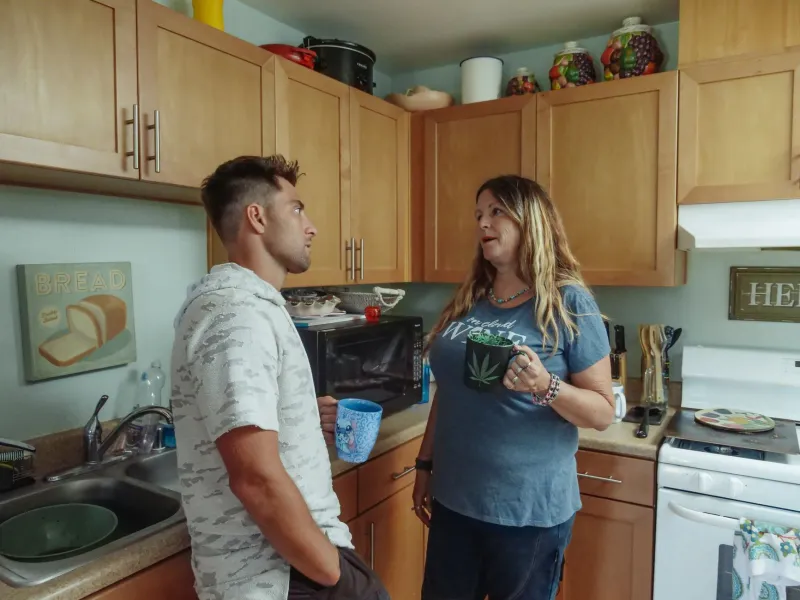
You've done everything right. You spent three evenings down a research rabbit hole — bookmarked the top-rated taco spot, screenshotted a walking tour itinerary, cross-referenced two different travel blogs, and saved a Reddit thread from 2022 that someone swore was still accurate. You feel prepared.
Then you check into a homestay, your host hands you the Wi-Fi password, and within about four minutes of casual conversation, half of your carefully curated itinerary quietly becomes obsolete — replaced by something genuinely better.
That's not an accident. That's the homestay advantage in action.
The Intelligence Gap Nobody Talks About
Hotels are great at a lot of things. Crisp sheets, a lobby that smells like a candle store, a concierge desk with laminated brochures. What they're not great at is telling you that the Thai place two blocks over just quietly became the best lunch spot in the neighborhood, or that the farmers market moved locations last spring, or that the street you were planning to cut through at night is fine during the day but genuinely sketchy after dark.
That kind of information doesn't live on Yelp. It doesn't get updated on TripAdvisor. It exists in the heads of people who actually live there — people who pick up their dry cleaning on that block, who walk their dog past that restaurant every morning, who texted a neighbor last week about the road closure you'd have never known about.
When you stay in a homestay, one of those people is your host. And they're already standing in the kitchen when you come down for coffee.
What a Host Actually Knows (That a Guidebook Can't)
Let's be specific, because "insider knowledge" is one of those phrases that gets thrown around until it stops meaning anything.
A host who's lived in their neighborhood for five years knows which brunch spots have a 45-minute wait on Sundays and which equally good ones don't — because they've watched tourists line up at the famous one while they walk right into the better one. They know that the free parking lot everyone uses is technically private and does get ticketed on event days. They know the community theater is doing something this weekend that isn't on any tourist calendar but is absolutely worth catching.
They know the stuff that exists in the gap between what gets published and what's actually true right now.
A good host also knows how to read you as a traveler. After a five-minute conversation about what you're hoping to do, they're already mentally sorting their recommendations — this person wants walkable and low-key, or this person wants a full day of activity, or this person is traveling with a kid and needs to know which coffee shops have space for a stroller. No algorithm does that. No review aggregator does that.
The Recommendation That Changes Your Whole Trip
Almost every frequent homestay traveler has a version of this story: the recommendation that wasn't in any guide, that came up almost offhandedly, that ended up being the best part of the trip.
A host in New Orleans who mentions the second-line parade happening Sunday afternoon in a neighborhood most tourists don't wander into. A host in Portland who knows the food cart pod that just opened and hasn't been written up yet. A host in a small Virginia mountain town who tells you about the overlook trail that locals use because the famous one is always overcrowded — same view, a quarter of the people.
These aren't hidden gems that were hard to find. They're just things that someone who lives there knows and someone passing through doesn't. The homestay is what closes that gap.
Safety Intel That No Star Rating Captures
This one matters more than people give it credit for. Neighborhood safety isn't static, it's not uniform, and it's almost never accurately captured in a hotel's marketing materials or a rental listing's description.
A host can tell you which direction to walk when you leave at night and which direction to avoid. They can tell you that a block that looks a little rough is actually completely fine and the neighbors look out for each other — or that a block that looks polished has had a string of car break-ins lately. They can tell you whether it's worth leaving your rental car on the street or whether you should find a garage.
That's not fear-mongering. That's just someone who lives somewhere helping you move through it safely. You can't get that from a star rating. You can't get it from a neighborhood overview paragraph written by a marketing team.
The Timing Advantage
Guidebooks go stale. Blog posts go stale faster than people admit. Even recent reviews on major platforms can be six months old — which, in a city neighborhood, can mean a completely different reality on the ground.
Hosts are real-time. They walked past that construction project yesterday. They heard from a friend that the museum is doing free admission this weekend. They know the restaurant everyone's been talking about just changed ownership and the food isn't the same anymore.
There's no platform that replicates that. The closest thing to real-time local intelligence is a person who lives there and is willing to talk to you — which is, almost by definition, a homestay host.
You Have to Actually Ask (and Actually Listen)
Here's the part that's easy to miss: this only works if you show up willing to engage. Some guests check in, disappear into their room, and check out three days later without ever having a real conversation. That's fine — it's their trip. But they've also left an enormous amount of value on the table.
The best homestay travelers treat their host as a resource, not just a person to hand keys to. They ask questions that go beyond "what's a good restaurant." They say what they're actually looking for — the vibe they want, the things they already know they're not into, the one thing they really don't want to miss. And then they actually follow through on at least one recommendation, even if it takes them slightly off the plan they arrived with.
That's usually where the trip gets good.
The Wi-Fi Password Is Just the Beginning
Every homestay stay starts with the same exchange: host shows you around, explains the quirks of the place, hands you the Wi-Fi password. It's logistical. It's practical. It's also, if you're paying attention, the opening of something more useful than anything you downloaded before you got there.
The password gets you connected to the internet. The conversation that follows gets you connected to the place. And that second connection — the one no app can make for you — is the whole point of staying in someone's home rather than a room in a building that could be anywhere.
Smart travelers figured this out a while ago. The rest are still waiting in line at the brunch spot everyone knows about, while the better one sits half-empty two streets over.