You Didn't Know You Were Taking a Class: The Life Skills Hidden Inside Every Homestay
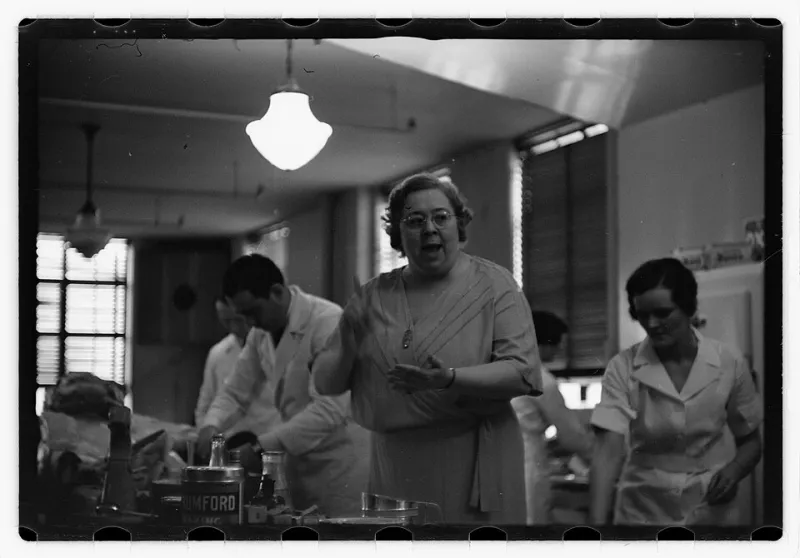
Photo: Sanromá, John B., 1900-1997, Public domain, via Wikimedia Commons
The Education Nobody Advertises
You book the room. You pack your bags. Maybe you're headed somewhere new for a long weekend, or you've finally carved out time for that trip you've been putting off since forever. The plan is rest, maybe a little adventure, definitely good food. What's not on the itinerary? Personal growth.
And yet, that's exactly what tends to show up.
There's something quietly transformative about spending a few nights — or a few weeks — living inside someone else's home. Not a sanitized hotel suite, not a resort with a lobby that smells like synthetic lavender. An actual home, with a family's photos on the wall, a kitchen that's seen a thousand Sunday dinners, and a host who has strong opinions about the right way to brew coffee. The lessons don't come with a syllabus. They just happen.
Cooking Techniques You Can't Find on YouTube
Let's start with the obvious one: food.
Hosts who open their homes to guests often share meals, or at least share kitchens. And when you're standing next to someone who's been making the same slow-cooked stew for thirty years, you're going to pick up things that no recipe blog can teach you. The exact moment to lower the heat. Why they add salt at the end instead of the beginning. The way they taste as they go, adjusting by feel rather than measurement.
These aren't just cooking tips. They're a transmission of knowledge — the kind that gets passed down through families and rarely gets written down anywhere. For a lot of travelers, that kind of kitchen conversation becomes the most memorable part of the whole trip. You come home with a new dish in your rotation and a story that explains exactly where it came from.
At Emon's Corner Homestay, we've heard from guests who arrived not knowing how to boil water and left confident enough to host dinner parties. That's not an exaggeration. It's just what happens when you share a kitchen with someone who genuinely loves feeding people.
Learning to Live With Strangers (Without Losing Your Mind)
Shared living is a skill. Most Americans don't get a ton of practice with it after college — we move into our own apartments, keep to ourselves, and develop habits that work fine in isolation. Then we step into a homestay and suddenly there's a shared bathroom schedule, a quiet hour policy, and a household dynamic we need to navigate without causing friction.
At first, this can feel like a hassle. In hindsight, most guests describe it as one of the more valuable parts of the experience.
Figuring out how to communicate your needs politely, how to ask for what you want without being demanding, how to give space and take space — these are real-world skills. The kind that make you better at relationships, better at work, better at basically every human interaction that involves more than one person. Living briefly inside someone else's home puts you in a position where you have to practice all of them at once.
Conflict resolution, compromise, reading social cues — homestays are an informal crash course in all of it. And because the setting is low-stakes (you're a guest, not a permanent resident), there's actually room to try, fail, adjust, and get it right.
Perspective Is the Real Souvenir
Here's the thing that sneaks up on most people: you don't just learn about the host's world. You learn something new about your own.
When you watch how a host family structures their mornings — how they prioritize sitting together before anyone picks up a phone, how they approach work and rest differently than you do, how they think about hospitality as an obligation rather than an inconvenience — it holds a mirror up to your own routines in a way that's hard to ignore.
A lot of travelers come back from homestay experiences and quietly change something about the way they live. They start cooking more. They put the phone down at dinner. They call their parents. It's not because someone lectured them. It's because they spent a few days living alongside people who did things differently, and some of it just stuck.
That's the kind of shift no hotel can offer. You can stay somewhere beautiful and come home exactly the same person you were. Or you can stay somewhere real and come back carrying something new.
Why This Matters More Than You Think
Travel has always been sold as an escape. A break from your life. And sure, rest and disconnection have genuine value. But the most lasting trips tend to be the ones that gave you something to bring back — a new way of thinking, a skill you didn't have before, a story that changes how you explain yourself to other people.
Homestays create the conditions for that kind of travel almost by accident. There's no manufactured cultural experience, no guided tour with a script. Just two sets of people sharing space, sharing meals, and occasionally sharing wisdom — whether they meant to or not.
So if you've been treating your accommodations as a place to sleep between activities, it might be worth reconsidering. The room you stay in can be a lot more than a place to store your luggage. Sometimes it's the best classroom you'll ever find yourself in.