Hotel Room or Someone's Home? A Straight-Talking Guide to Picking the Right Stay
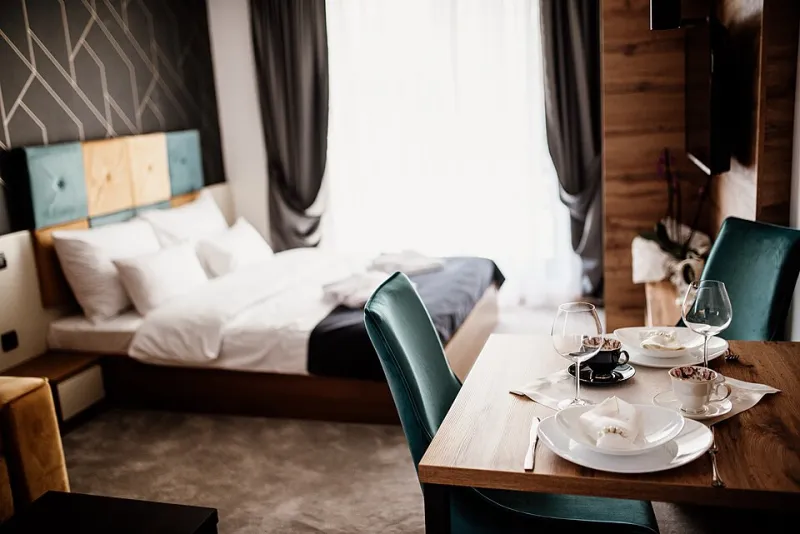
Photo: Shixart1985, CC BY 2.0, via Wikimedia Commons
Let's Stop Pretending One Size Fits All
There's a version of this conversation that goes like this: "Homestays are charming but unpredictable. Hotels are reliable but soulless. Pick your poison." That's a lazy take, and it doesn't actually help anyone plan a better trip.
The truth is more interesting. Homestays genuinely crush hotels in certain situations. Hotels genuinely make more sense in others. The key is knowing which is which before you book—not after you've already checked in somewhere that doesn't fit what you needed.
So let's get into it. Real scenarios, real trade-offs, and honest takes on when staying in someone's home beats a branded hotel room—and when it doesn't.
Scenario 1: The Family Reunion or Group Gathering
The situation: You're coordinating a multi-day family reunion in a mid-sized city. There are twelve people across four generations, including two toddlers and one grandmother who goes to bed at 8:30 p.m.
Why a hotel falls short: You're looking at multiple rooms, disconnected spaces, and zero opportunity for the group to actually be together in a shared, comfortable environment. Hotel lobbies aren't built for family hangouts. Room service for twelve is a logistical nightmare.
Why a homestay wins: A larger homestay—or a host who manages a whole-home rental—gives your family a shared kitchen, a living room where everyone can actually sit together, and the kind of informal, lived-in space that makes a reunion feel like a reunion. Some hosts even accommodate special requests like setting up a long dinner table or pointing you toward the best spot to order a catered meal locally.
Cost reality check: A large homestay sleeping ten to twelve people can run anywhere from $200 to $500 per night depending on the location—often comparable to or cheaper than booking six separate hotel rooms, especially in popular cities where hotel rates spike during holidays and weekends.
Scenario 2: The Solo Discovery Trip
The situation: You're heading to a city you've never visited—maybe Asheville, NC, or Taos, NM, or somewhere in the Finger Lakes—and you want to actually understand the place, not just see the highlights on a tourist map.
Why a hotel falls short: A hotel gives you a room and a concierge who recommends the same three restaurants everyone else gets sent to. You'll see the place, but you won't feel it.
Why a homestay wins: This is where homestay hosting does something hotels genuinely cannot. A good host is a living local guide. They know which farmers market is worth waking up early for, which neighborhood bar has live music on Thursdays, and which hiking trail the locals actually use. That knowledge isn't on Yelp. It lives in the people who've been there long enough to know.
For solo travelers especially, there's also the comfort factor. Staying in someone's home—with a host who's around, even casually—provides a layer of connection and safety that a solo hotel room simply doesn't. It's the difference between traveling alone and traveling with a local contact.
Cost reality check: Solo homestay rooms frequently run $60 to $120 per night in mid-tier US markets, often including breakfast or kitchen access. That's competitive with budget hotels, but with dramatically more value in terms of local knowledge and human connection.
Scenario 3: The Extended Stay (Two Weeks or More)
The situation: You're relocating for work, doing a remote work stint somewhere new, or taking a longer trip that doesn't fit neatly into a vacation package.
Why a hotel falls short: After about four days, a hotel room starts to feel like a very expensive cage. There's no kitchen, no real storage, no sense of home base. Extended hotel stays are expensive and psychologically draining in ways that don't show up on the booking confirmation.
Why a homestay wins: Extended stays are arguably the single best use case for homestay accommodations. Hosts frequently offer discounted weekly or monthly rates that can represent significant savings. You get a kitchen, laundry access, and a stable environment that supports actually getting things done—whether that's work, rest, or exploration.
Hosts who take in longer-term guests often develop genuinely warm relationships with them over the course of a stay. It's not uncommon for a two-week guest to leave with a standing invitation to come back, a collection of local restaurant recommendations, and a friendship that continues well after checkout.
Cost reality check: A homestay room for a 30-day stay might run $1,500 to $2,500 depending on location—a fraction of what 30 nights in even a modest hotel would cost, and without the per-night food costs that hotel stays tend to generate.
Scenario 4: The Budget-Conscious Adventure
The situation: You want to take a real trip—somewhere meaningful, with actual experiences—but you're working with a tight budget and need every dollar to count.
Why a hotel falls short: Even budget hotel chains in popular US destinations can run $120 to $180 per night once taxes and fees are added. That's a huge chunk of a tight travel budget, and you get nothing but a room and a parking space for it.
Why a homestay wins: Homestays at the budget end of the market offer genuine value that hotels can't match at similar price points. A $70 homestay room that includes kitchen access, a host who can tell you about free local events, and a comfortable space to decompress is worth far more than a $70 motel room with a vending machine down the hall.
The kitchen access point is particularly significant for budget travelers. Being able to cook even half your meals during a trip can save hundreds of dollars over the course of a week.
When Hotels Actually Make More Sense
Fair is fair—there are absolutely situations where a hotel is the smarter call.
If you need guaranteed anonymity and zero social interaction, a hotel is the right choice. Not every traveler wants to chat over morning coffee, and that's completely valid.
If you're traveling for a high-stakes business trip where you need 24-hour room service, a business center, and a front desk that handles every logistical hiccup instantly, a full-service hotel earns its rate.
And if you're somewhere with a very thin homestay market—certain rural areas or highly specialized destinations—the selection may simply not support your needs.
The Bottom Line
The best accommodation for any trip is the one that fits what you actually need—not what a booking algorithm thinks you need, and not what you've always done by default.
For a growing number of US travelers, homestays are delivering something hotels genuinely can't: a sense of place, a human connection, and a value proposition that holds up on both the emotional and financial ledger. The trick is knowing when to lean into that—and when to let a hotel do its thing.
When in doubt, ask yourself this: do you want to stay somewhere, or do you want to stay with someone? The answer usually points you in the right direction.