When the Host Leaves Out an Extra Key: The Subtle Signs You're More Than Just a Guest
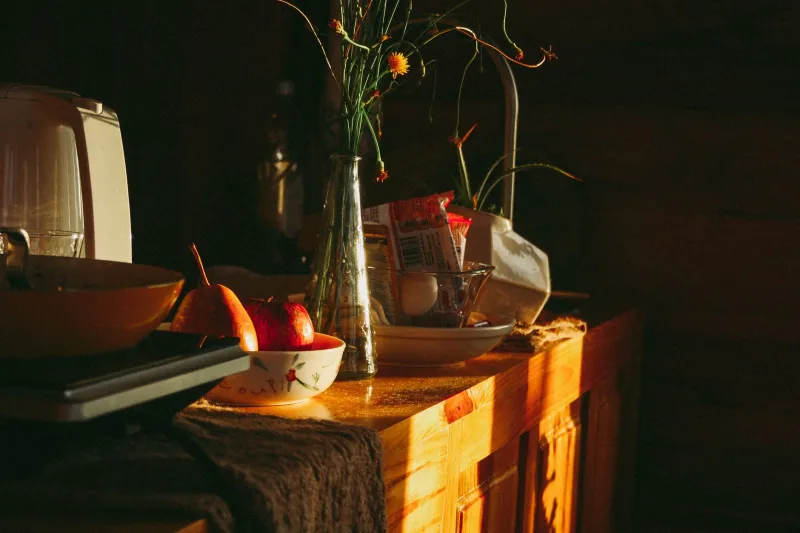
There's a particular kind of moment that veteran homestay travelers know well. You're a few days into your stay, you've figured out which burner runs hot, you've learned not to let the screen door slam — and then your host does something small. Maybe they ask what you're up to Thursday. Maybe they slide a local farmers market schedule across the kitchen table without saying much. Maybe there's suddenly a second set of towels folded on your bed when you only asked for one.
None of it is loud. None of it is a formal invitation. But something in the air has shifted, and if you've spent enough nights in other people's homes, you can feel it.
This is the unspoken language of homestay hosting — and it's worth learning to read.
The Kitchen Tells You Everything
Pay attention to how a host stocks the kitchen after your first couple of days. A host who sees you as a short-term booking will keep things practical and bounded — coffee, maybe some basic condiments, a clean shelf for your groceries. That's perfectly fine. That's professional.
But a host who's warming up to your presence starts doing something different. They mention the good coffee shop two blocks over and then, almost as an afterthought, start keeping better beans in the cabinet. They notice you made eggs one morning and there are suddenly more eggs. It's not a grand gesture. It's just a quiet recalibration of the household to include you a little more.
Food is one of the oldest signals of welcome in human culture, and in a homestay setting, it doesn't disappear just because there's a booking platform involved. When a host starts feeding you in small, unannounced ways, they're saying something they may not even fully realize they're saying: You fit here.
The Way They Ask About Your Plans
Listen carefully to how your host phrases questions about your schedule. "What time do you need the bathroom in the morning?" is logistics. "Are you going to be around this weekend?" is something else entirely.
The second kind of question carries an implicit openness. It suggests the host is thinking about shared time, not just coordinating space. They might be wondering if you'd want to join them for something, or they might just be curious about you as a person — but either way, they're signaling that your presence beyond the booked dates isn't an inconvenience they're bracing for. It's something they might actually welcome.
Hosts who are quietly rooting for you to stay longer tend to ask forward-leaning questions. They're interested in where you're going next, not because they're counting down to checkout, but because they're genuinely curious about the shape of your life. That curiosity is a form of invitation.
Small Gestures That Aren't in the Listing
Every homestay listing describes what's included. The towels, the Wi-Fi password, the parking situation. But the things that aren't in the listing — those are where the real communication happens.
A host who leaves a handwritten note about a hiking trail they think you'd love. A host who texts you a heads-up that the street parking gets crazy on game days. A host who introduces you to their neighbor like you're someone worth knowing. These are not standard hospitality moves. These are personal ones.
When a host starts treating you like someone they'd want to brag about to their friends — Oh, we've got this really interesting person staying with us right now — the dynamic has changed. You've moved from guest to something closer to temporary community member. And that shift almost always comes with an unspoken openness to you sticking around.
The Tone Shift Around Checkout Conversations
Here's a reliable tell: how does your host react when checkout comes up in conversation?
A host who's ready for you to leave will start mentioning it naturally, practically, without any awkwardness. They'll confirm the time, remind you about the key drop, maybe mention they've got someone checking in the following afternoon. Clean, clear, no drama.
A host who'd genuinely be fine with you staying longer does something subtler. They get a little vague. They say things like "whenever you need to go" or "no rush on that" in a way that sounds like they mean it. If you mention you might need to extend, they don't reach for the calendar with any urgency. They might even wave it off entirely — "Let's figure it out, it's not a big deal."
That looseness around the end date isn't disorganization. It's openness.
What Guests Can Do With These Signals
Reading these cues isn't just about knowing when you can stay longer — it's about knowing how to respond in a way that honors the relationship. If a host is giving you the green light in all these quiet ways, the worst thing you can do is either ignore it completely or barrel in with a clumsy "so can I stay another two weeks or what?"
The better move is to meet their energy. Express genuine appreciation for the space and the home. Be curious about them. Mention, casually, that you've been thinking about staying in the area longer if things work out. Let the conversation breathe.
Authentic homestay relationships — the ones that turn into annual return visits or long-running email threads or genuine friendships — almost never start with a formal negotiation. They start with two people deciding, quietly and mutually, that this is worth extending.
A Note for Hosts Too
If you're on the other side of this — if you're a host who's realized mid-stay that you'd genuinely love for a particular guest to hang around longer — you don't have to wait for them to ask. A little directness goes a long way. Something as simple as "We've really enjoyed having you here — if you're ever thinking about extending, just let us know" removes all the guesswork.
Guests are often just as uncertain about overstepping as hosts are about overoffering. Naming the welcome out loud, even once, can open a door that both people were too polite to touch.
The Whole Point of Staying in Someone's Home
This is, at its core, what separates a homestay from a hotel. Hotels are transactional by design — they're not supposed to make you feel like you belong, just comfortable enough to sleep and functional enough to work. But a homestay, when it's working the way it's supposed to, blurs those lines in the best possible way.
You're not just renting a room. You're briefly inhabiting someone's life. And when a host starts leaving out that extra key, or stocking the kitchen a little differently, or asking what you're up to on Thursday — they're telling you, in the clearest language they know how to use, that you're welcome here.
Pay attention. Those are the moments a trip becomes something you actually remember.