Why the Messy Kitchen Photo Earns More Trust Than a Perfect Five-Star Profile
Here's something the big rental platforms don't want you thinking too hard about: a perfect profile can mean almost anything. Five stars across the board, a hundred glowing reviews, a listing that looks like it was staged by a boutique hotel designer — and yet, you show up and feel like you're sleeping inside a showroom nobody actually lives in.
Homestays work differently. And the trust economy that makes them work? It runs on a completely different fuel.
The Currency Nobody Talks About
When a guest books a hotel, the transaction is clean. Ratings, amenities, price per night — it's all transactional, and that's fine. Nobody expects to feel personally welcomed at a Marriott. But when someone decides to stay in a host's actual home, they're not just evaluating a space. They're deciding whether to trust a human being.
That's a fundamentally different calculation.
And what earns that trust? Surprisingly often, it's not the stuff that looks the most polished. It's the stuff that looks the most real. The listing photo where you can see a half-read paperback on the kitchen table. The house rules note that says, "Third burner on the left runs a little hot — just a heads up." The host bio that mentions they have a loud but friendly dog named Gerald who will absolutely try to sit on your feet.
None of that is five-star hotel language. All of it is trust-building gold.
Imperfection as a Signal, Not a Warning
There's a counterintuitive thing that experienced homestay travelers learn pretty quickly: a listing that looks too perfect is actually harder to trust than one that shows a little texture.
When everything in a profile is immaculate — every photo professionally lit, every sentence in the description carefully sanitized, no mention of quirks or limitations — guests are left filling in the blanks themselves. And the blanks they fill in aren't always generous.
But when a host volunteers that the second bedroom gets afternoon sun and can run warm in summer, or that the neighborhood gets lively on Friday nights because there's a popular bar two blocks over, something shifts. That host just demonstrated that they'd rather set honest expectations than protect a perfect rating. That's not a small thing. That's character.
For US travelers who've been burned before — who've shown up to a "cozy" listing and found a windowless room the size of a walk-in closet — that kind of transparency is genuinely rare. And rare things get remembered.
The Handwritten House Rules Phenomenon
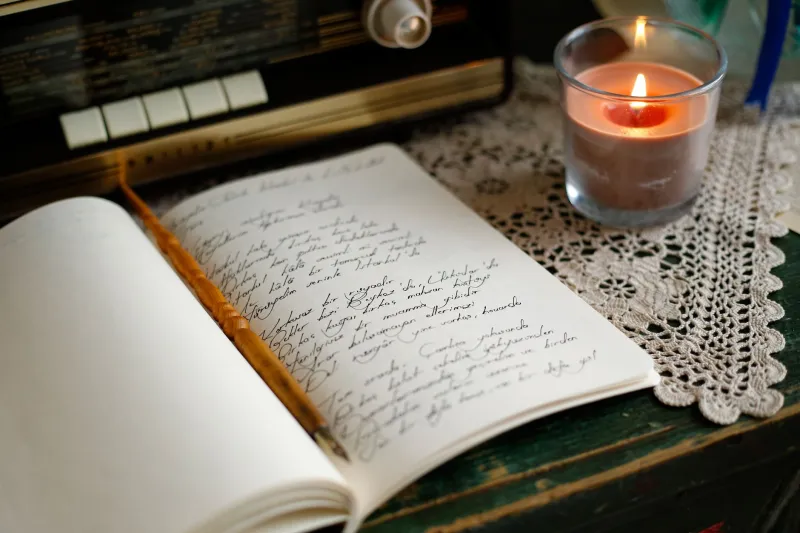
Ask any longtime homestay guest about the details that stuck with them, and a surprising number will mention handwritten notes. Not typed, printed, laminated instructions — handwritten ones. A sticky note on the fridge. A folded index card by the coffee maker explaining which buttons to press and in what order.
There's a reason those details land differently. Handwriting is slow. It takes more effort than typing. When a host writes something out by hand, they're making a small, deliberate choice to communicate in a way that feels personal. It signals presence. It says: a real person thought about you specifically and took time to help you.
That's not something any algorithm can replicate, and it's not something a five-star rating can communicate. It's just one human being making another feel like they were expected, thought of, and welcomed.
Hosts who understand this — even intuitively — are building trust in ways that go well beyond their review count.
Vulnerability Is the Real Credential
Let's be honest about what it actually takes to open your home to strangers. It's not a passive thing. A host isn't just renting out square footage — they're inviting someone into the rhythms of their actual life. Their coffee preferences are in the cabinet. Their family photos are on the wall. Their personal routines are hanging in the air like furniture.
That takes a particular kind of courage. And guests feel it.
When a host is willing to be that open — to say "this is my home, here's how it actually works, here are its quirks and its charms" — they're extending a form of trust first. They're going first. And that almost always invites reciprocity. Guests who feel genuinely welcomed into a real space tend to treat it with more care, communicate more openly when something comes up, and leave with more gratitude than they'd feel after any hotel checkout.
The vulnerability isn't a liability. It's the whole point.
What Hosts Can Actually Do With This
If you're a host trying to build trust with prospective guests, the instinct to polish everything is understandable — but it might be working against you. A few practical shifts worth considering:
Show the real space. One or two photos that capture how the home actually looks on a normal day — not staged, not emptied of all signs of life — do more for credibility than a full gallery of perfect shots. Guests aren't looking for a magazine spread. They're looking for evidence that someone lives there.
Name the quirks upfront. Whatever the limitations are — the temperamental shower pressure, the neighbor who mows early on Saturdays, the bedroom that doesn't get great cell signal — say so. Guests who know about something in advance almost never hold it against you. Guests who discover it themselves sometimes do.
Write like a person, not a listing. Your description doesn't need to sound like a real estate brochure. It can sound like you. A little personality, a little warmth, a mention of what you love about the neighborhood — these things make a profile feel inhabited rather than manufactured.
Let your house rules have a voice. Rules don't have to be cold. "We're pretty relaxed about most things, but the cat stays out of the guest room — she's a blanket thief" communicates the same information as a bullet-pointed policy, and it makes a guest smile in the process.
The Trust That Travels Both Ways
Here's the thing about homestay trust that makes it different from any star rating: it moves in both directions. When a host shows up as a real person — imperfect home, honest communication, genuine welcome — they're not just earning a guest's confidence. They're creating the conditions for the guest to show up as a real person too.
And that's where the stays that actually mean something come from. Not from flawless profiles. From two people deciding, in their own small ways, to be honest with each other.
The messy kitchen photo isn't a mistake. Sometimes, it's the whole reason someone books.